Manufacture of a low-voltage switchboard (LVS) using machine tools
The construction of a low-voltage switchboard requires the use of tools specific to the electrical industry. Their power, which can be up to several tens of megawatts, depends on the number of outgoing feeders. These switchboards perform a wide range of functions and are manufactured to exacting standards. Machines facilitate the work of panel builders and ensure compliance with these standards for the installation of the various components of a low-voltage switchboard.
What is the purpose of a Low Voltage Switchboard or Cabinet?
A low-voltage switchboard has several functions. Generally speaking, its function is to receive and then redistribute electricity via secondary circuits in commercial and industrial buildings. At the heart of electrical distribution in buildings, the low-voltage switchboard:
> Receives the low-voltage power supply from a distribution network,
> Distributes electrical power according to the needs of electrical equipment,
> Protects the upstream network from the risk of overload or short-circuit by means of circuit breakers,
> Distributes electricity to the various circuits in one or more buildings,
> nsures total isolation of circuits during maintenance operations,
> Generally incorporates metering systems to measure consumption,
> Monitors electrical parameters using operating indicators,
> Connects secondary cabinets, enclosures and distribution boards,
> Connects the earthing system to protect against electric shock.
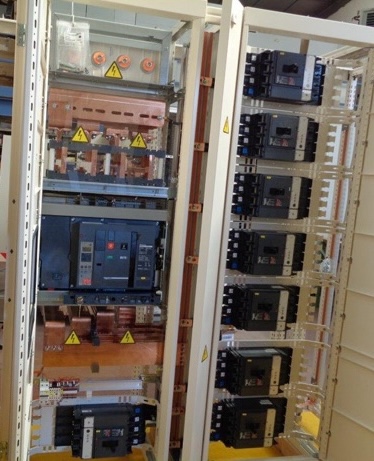
By complying with current standards, distribution cabinets also protect installations and operators.
What components are found in a Low Voltage Switchboard?
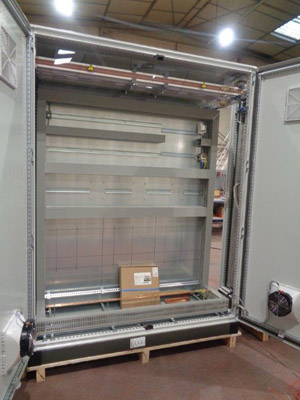
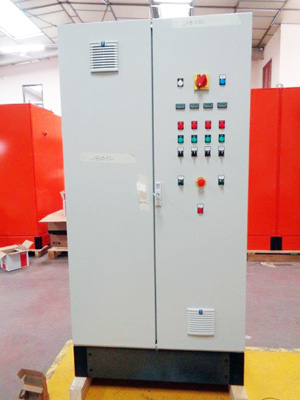
The components of a low-voltage switchgear and control panel are installed in a metal cabinet for initial protection. Indicators and devices can be placed on the cabinet doors. Din rails are installed inside the switchboard.
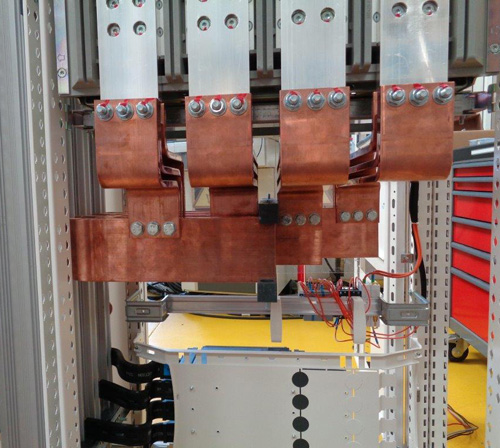
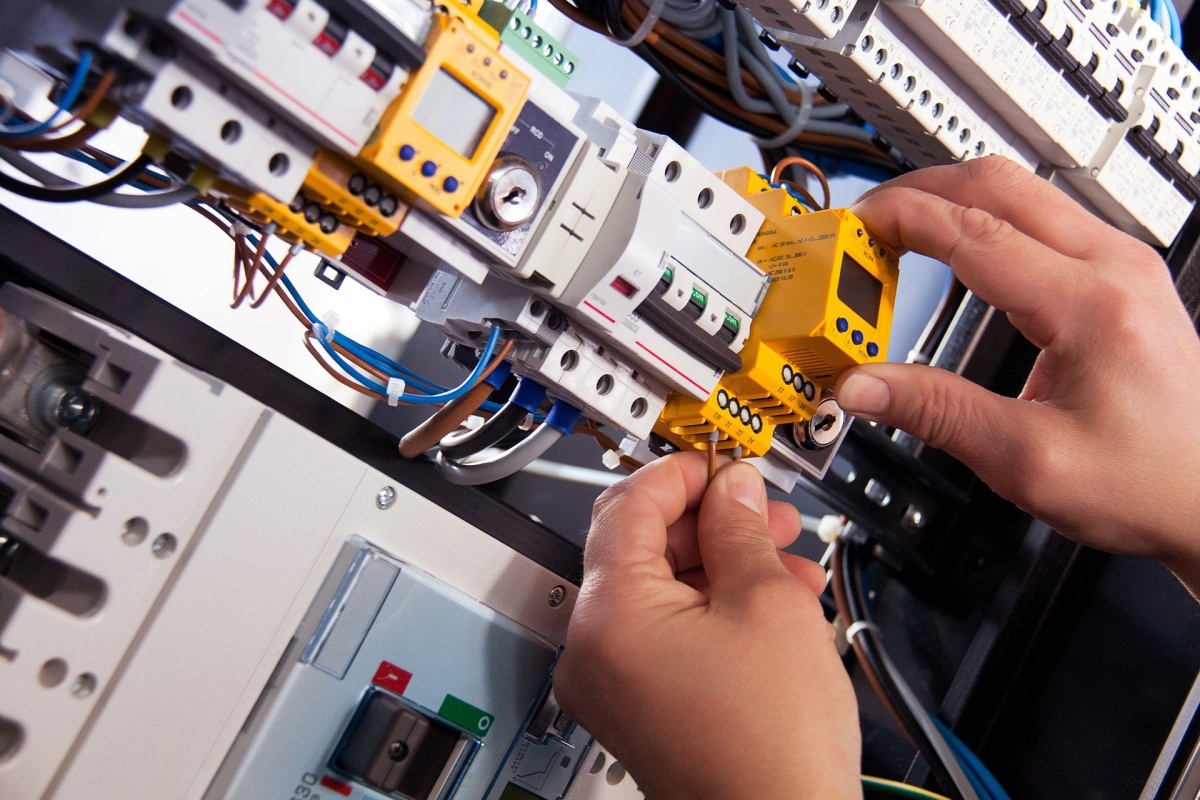
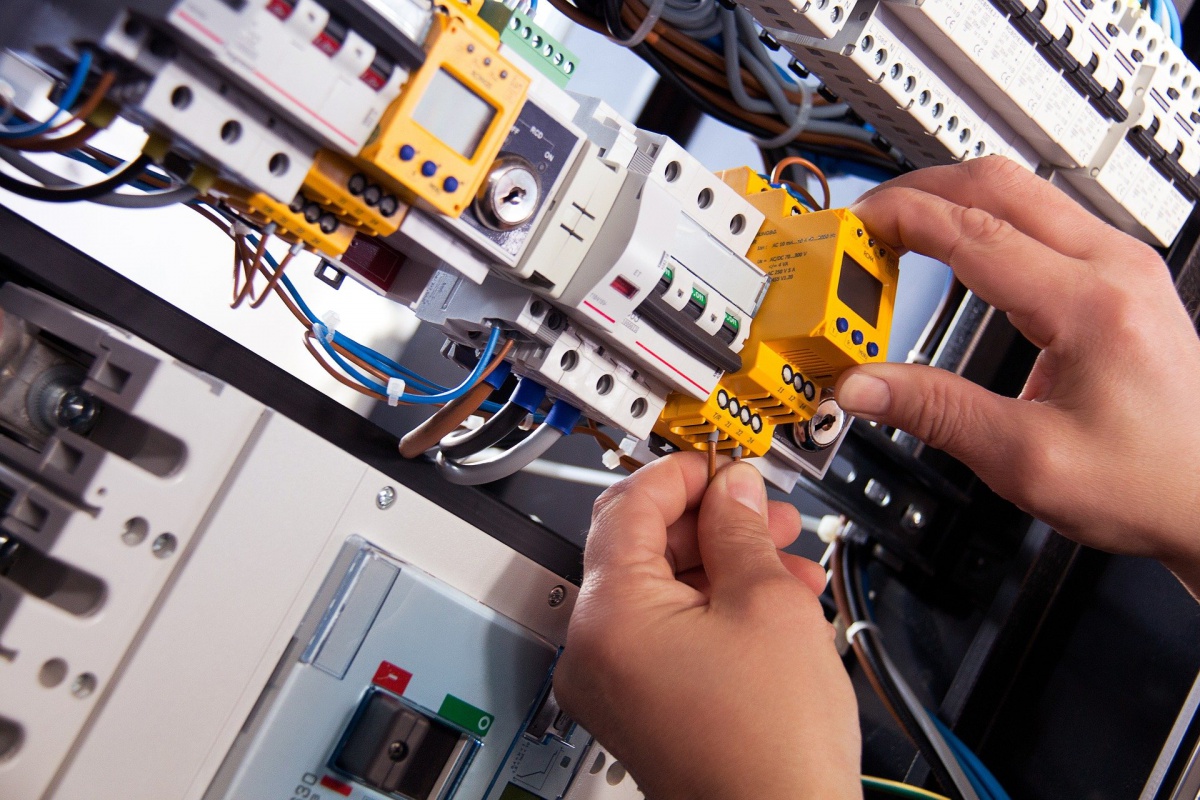
Various electrical components make up a low-voltage switchboard. The main elements are circuit breakers, contactors, switches, energy meters and protection devices, as well as copper busbars to connect these components. Copper electrical cables of various cross-sections are then used to connect the main LV board to the various electrical equipment it serves.
What machines and tools should be used to manufacture a Low Voltage Switchboard?
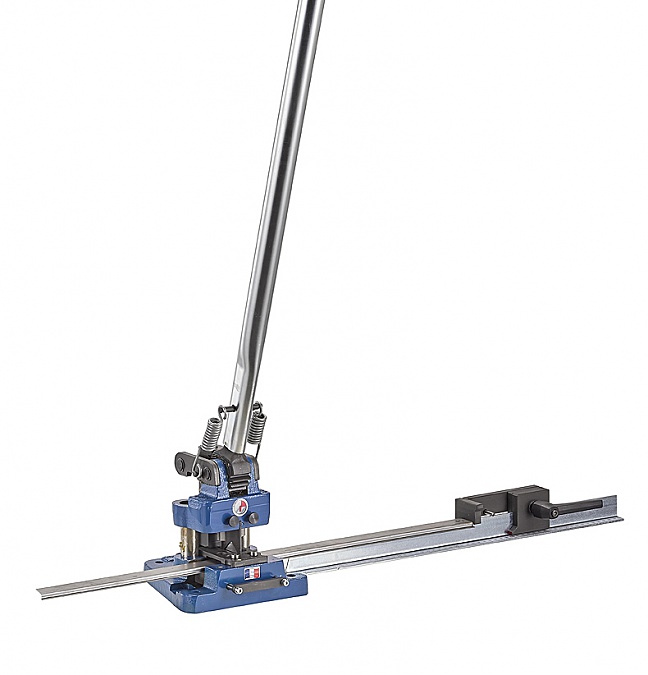
- The ‘Cisabarre’ copper busbar punching and bending shears are particularly well suited to the construction of a low-voltage main switchboard. The current distributed in a commercial building or on an industrial site can be very high, which is why you need an efficient, precise machine.
- GRANGIER's ‘Coup'Din’ has been making life easier for cable workers for over 50 years. Available in several manual or motorised versions, the manual, electric or pneumatic punching shears cut and pierce Din rails in a single operation.
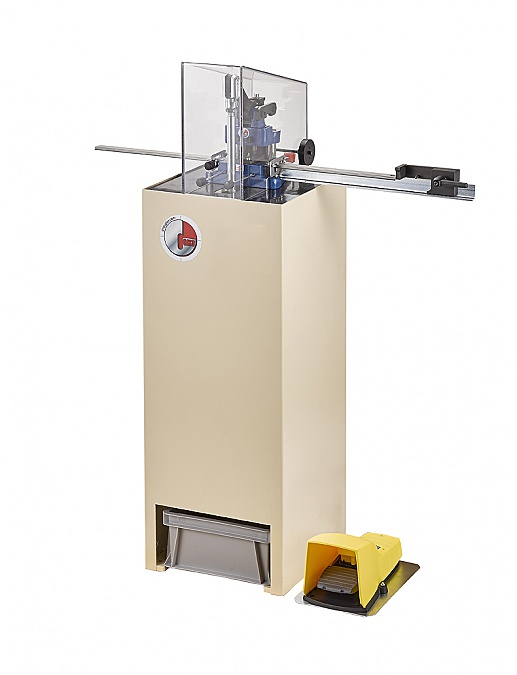
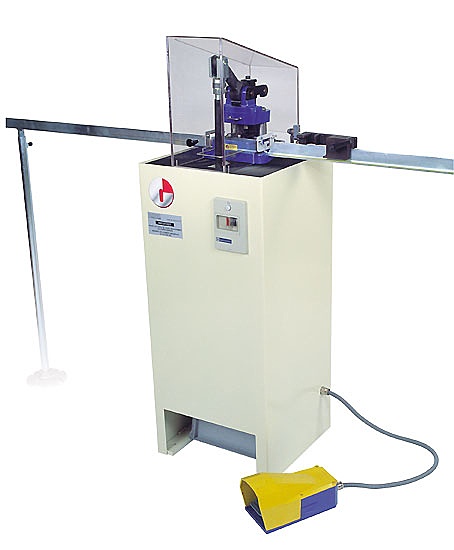
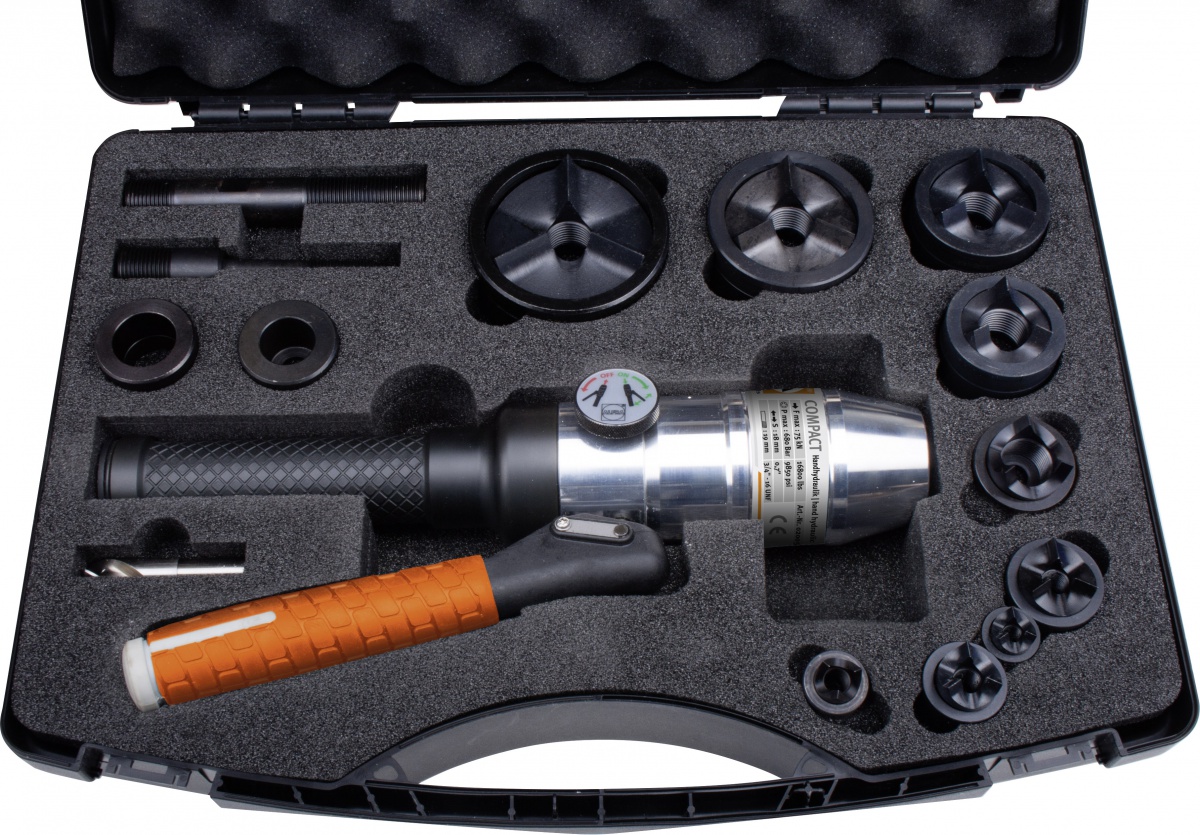
- Punching machines for doors and enclosures are ideal for drilling and cutting panels and cabinets. From manual punching tools to the CT2 workshop punching machine, the range covers all the needs of panel builders and cable makers.
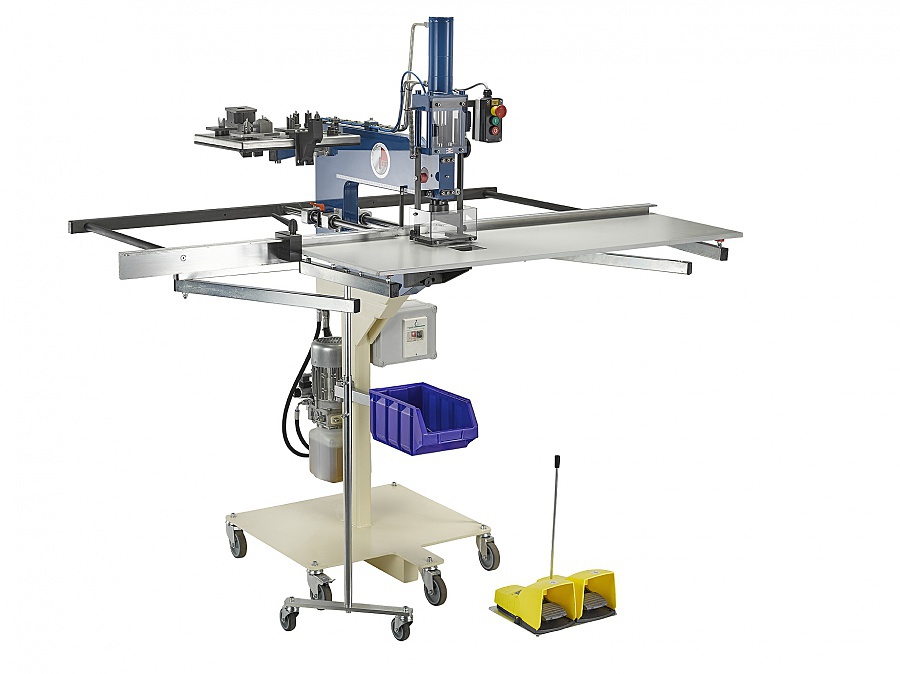
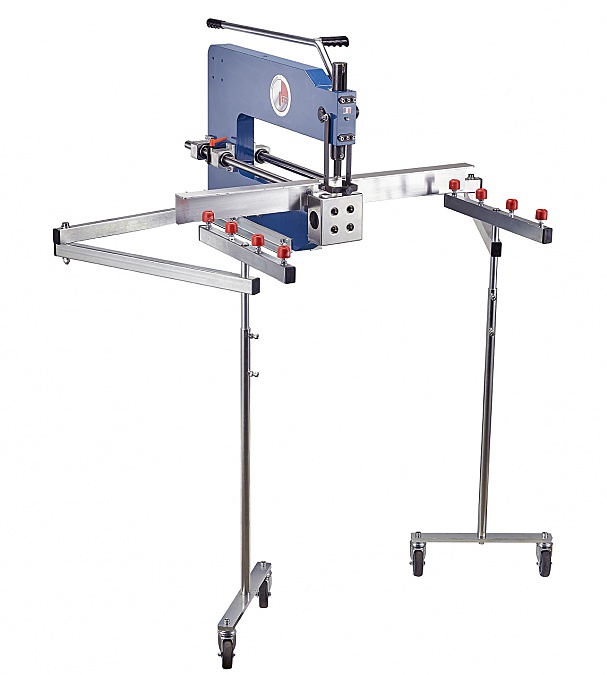
- Using a CG125 cutter for trunking, covers and shutters makes wiring easier. With these shears, cable trunking cuts are clean and burr-free.
FAQ
> What are the main differences between a main LV board and a control cabinet?
A main LV board distributes electrical power to all the equipment in an industrial or commercial installation, while a control cabinet is dedicated to the management and control of specific equipment: machines, automated systems. The power of the TGBT is hundreds of kW, compared with less than 100 kW for a cabinet.
Whereas a cabinet is connected only to one machine, the TGBT supplies several feeders to secondary switchboards (control cabinets, control rooms, etc.) and can incorporate metering equipment. It is generally located at the start of the electrical installation, unlike a cabinet, which is located close to the machine or system it manages.
> What types of copper busbar are used in a low-voltage main switchboard?
Copper busbars of different cross-sections are used to carry the current between the various equipment in the switchboard: circuit-breakers, disconnectors, etc. The choice of busbars depends on the intensity of the current to be distributed: from several hundred to thousands of Amperes.
Common cross-sections range from 20x5 mm to 120x10 mm, and even 160x10 mm for the most powerful switchboards.
> What standards need to be met when building a low-voltage main switchboard?
Low-voltage switchgear and controlgear must be manufactured in compliance with current standards, in particular NF C 15-100, which defines installation rules, and NF EN 60439-1, which applies to low-voltage switchgear and controlgear assemblies. Numerous other safety and dimensioning standards must also be complied with in the manufacture of low-voltage switchgear.